
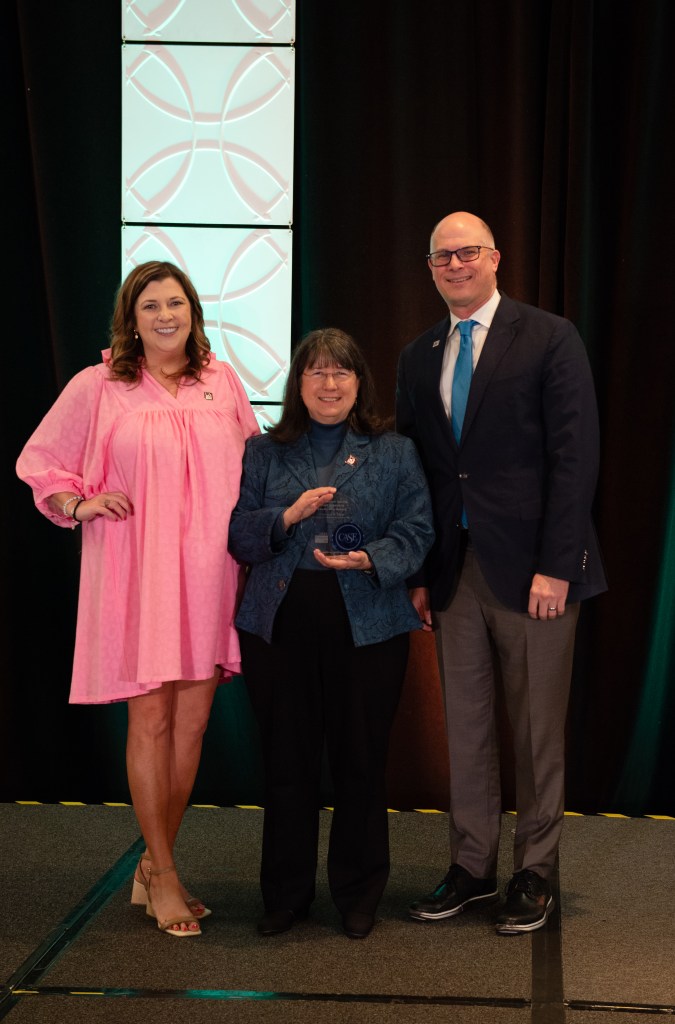
I spent last night switching my closet from fall to spring. There were clothes everywhere, and somewhere during the messy middle the idea for this blog post came about.
I was switching my clothes out because spring conference season is here. For females (or at least me), there’s always pressure to have a great outfit that people haven’t seen a million times. I love spring and summer because sundresses are easy, and they can easily be dressed up or down. It’s an easy way to mix things up!
In the midst of my organizational nightmare, I started thinking about how my personal style has changed over the last few years, and I’m talking about much more than the move from skinny to wide leg jeans. Over the course of my career, my wardrobe has evolved in ways that mirror my growth as a leader.
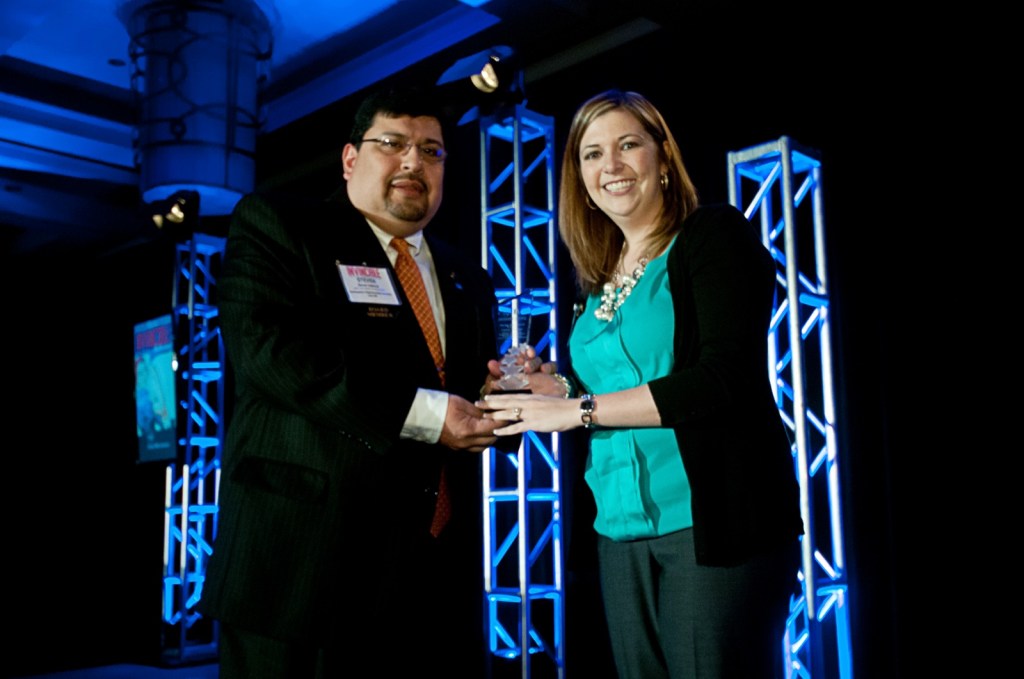
Dressing as a Young Professional
As a young professional, I always tried to dress older than I actually was. It was about people taking me seriously and recognizing my expertise. As a female, the right clothing brands signaled trust and steadiness. I couldn’t afford many of the higher end things, so I tried to emulate the look at a much lower price point. My family can attest to driving all over town for the perfect cardigan that matched a much more expensive one I’d seen online.
In broad strokes, my look was safe and classic. Dress slacks, a blouse and a blazer/cardigan. For dresser occasions, I would usually do a sheath dress and heels. Being a conservative dresser was my way of making sure the focus stayed on the work, not my age.
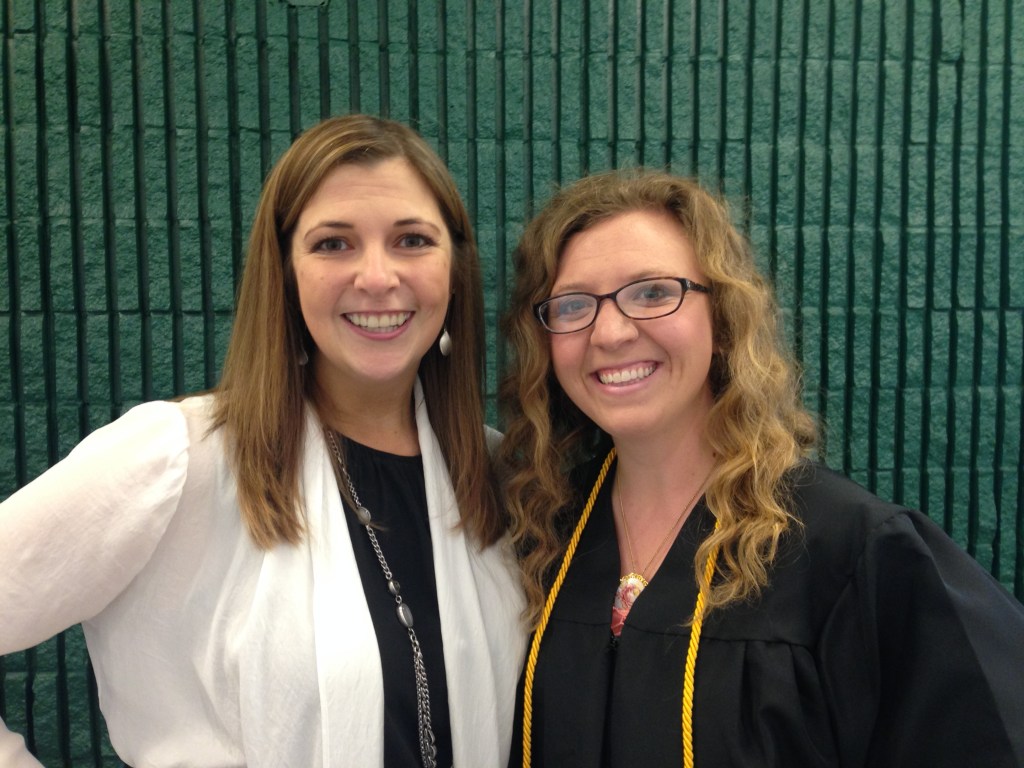
Dressing as Rising Professional
As I took on more leadership responsibility, I found myself needing to dress up more regularly, so the cardigans more frequently were blazers. Additionally, I invested in a few actual suits, as opposed to just blazers and dress pants that could be put together to make a nice outfit. I also started buying higher end quality brands including White House Black Market, Ann Taylor, and the Loft.
My overall look was still fairly safe, and I owned lots of black, navy, maroon, blush pink, and cream. I wanted to signal I belonged in the room but didn’t want to draw attention to being there. At that stage of my career, professionalism still felt like blending in rather than standing out.
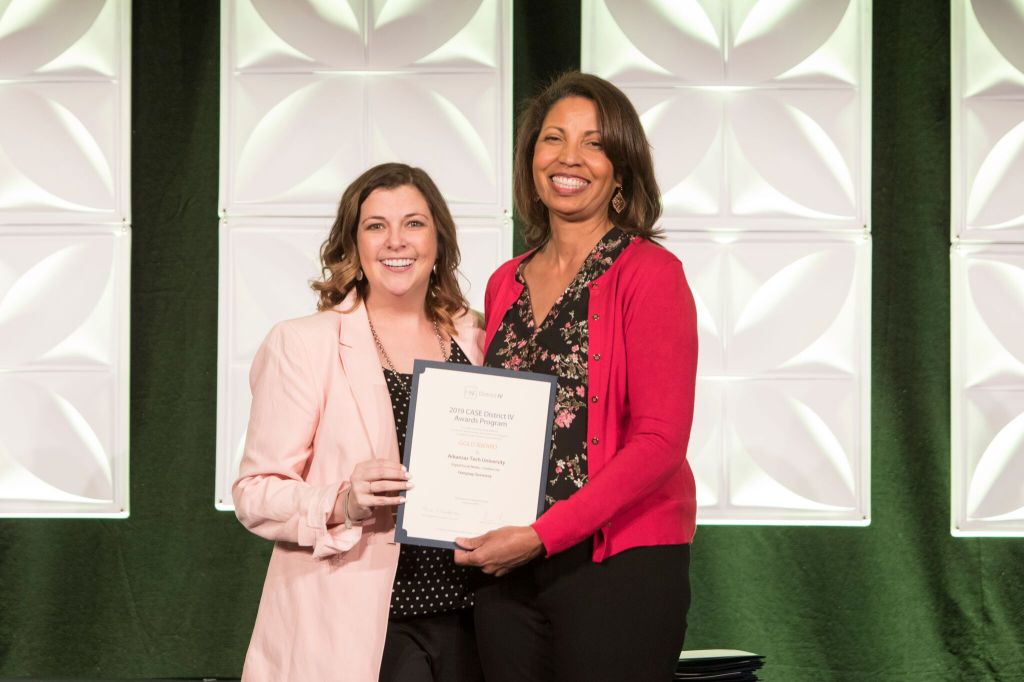
Dressing as a Seasoned Leader
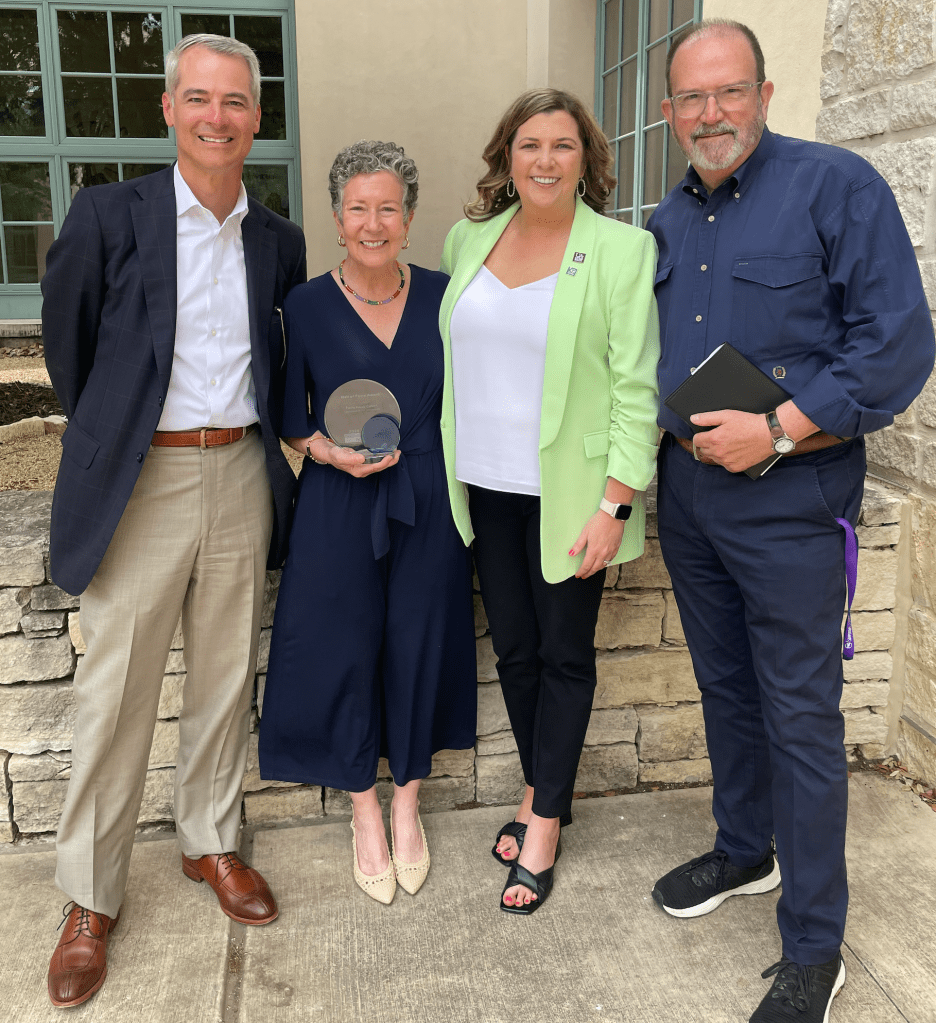
After several years as a seasoned leader, I started to really build my own style. By this point, I no longer felt like my wardrobe needed to prove I belonged in the room. I worried less about whether it was safe and picked clothes that gave me confidence. I was in many rooms having hard conversations and wanted clothes that reflected confidence.
Everything was still appropriate (nothing too short or too exposed), but things had color and were some of the latest fashion trends. Pleather, puff sleeves, dresses with boots, bright colors, and florals were all new wardrobe purchases during this stage of my professional growth. I also started spending more on staple items. I recognized a high quality blazer could last multiple seasons and be reworn in various ways for a myriad of use cases. That was far better than buying many less expensive blazers.
Practicality Enters the Chat
In 2014, I broke my foot. I was excited my football team was going to win a game and jumped off the couch. I landed awkwardly and broke a bone in my foot. I had to relearn to walk (first in flats and then eventually in heels). That experience made me really careful about the shoes I buy.
My wardrobe reflects confidence and personality, but it also has to keep up with a very full calendar. I walk all over campus for meetings, so I need shoes that can keep up and not hurt my feet, especially since one foot still isn’t as strong. I’ve learned to invest in good shoes.
Evolution of My Look
Like many things in life, we evolve over time. My stile is no exception. As a young professional, I dressed to prove I belonged in the room. Now, as a seasoned leader, I dress in a way that reflects the confidence I’ve gained and the realities of the job.
How has your style changed over time? Feel free to drop a link in the comments.
 And Carrie On