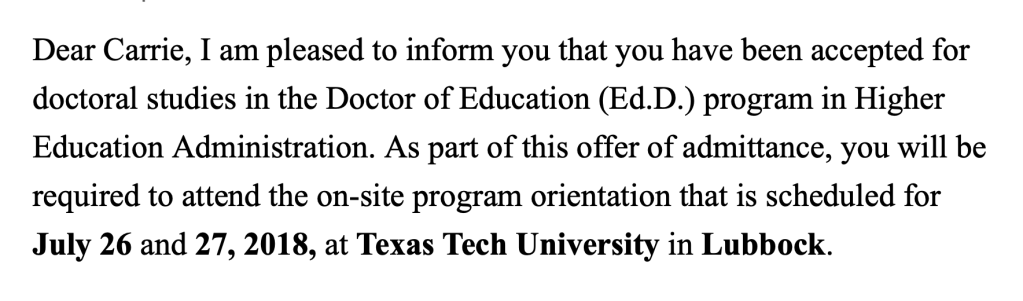
This week marks four years since I finished my doctorate from Texas Tech University. It’s put me in a pretty reflective space about the impact of my degree.
I believe that the work that I put in selecting the school to attend has been a huge part of my success. Selecting the right school for an advanced degree involves researching a few key factors (program format, faculty expertise, cost, etc). However, the outcome can be a school that aligns with your personal needs, making going back to school really exciting.
If you are thinking about earning an advanced degree, here are a few tips to consider and details about the process I used to research schools.
Outcomes First
I tell people all the time to think about the why (and be honest about it) of going back to school. Is getting a degree needed to advance or earn more in your current role? If so, the closest and most affordable option may meet your needs. Is it the next step in a larger plan? If so, the exact program or location may matter.
Having that honest conversation with yourself will help you determine the kind of program and where to look. This is a very personal decision, but it’s the right place to start when going back to school.
I wanted to advance into a senior leadership role in a higher education MarComm unit. That outcome translated into two key requirements for me. First, I knew that meant relocation was possible. Arkansas is small, and I didn’t know if there would be advancement opportunities in the state. Because of that, I wanted a degree from a school outside of Arkansas. I thought it would be a hindrance if I had three degrees from Arkansas and was wanting to work in a different state. A university out of state would broaden my perspective, helping me achieve my goal. Additionally, my first two degrees were from a regional public university. I got a great education there, but I felt like attending a large R1 institution would help if I needed to transition out of state. I wanted a recognizable name that would be familiar to people and was known for quality.
Learning Style
The second thing to consider is learning style. Some people are better in a physical classroom, while some are great in an online environment. Do some honest assessment about how you learn best. If you do better in face-to-face learning, then signing up for a fully online program may not be the best move. This is important to think about on the front end before you do heavy program research and become overwhelmed with options. This also may impact where you look. If you need face-to-face but moving isn’t an option, that will certainly impact the geography of your search.
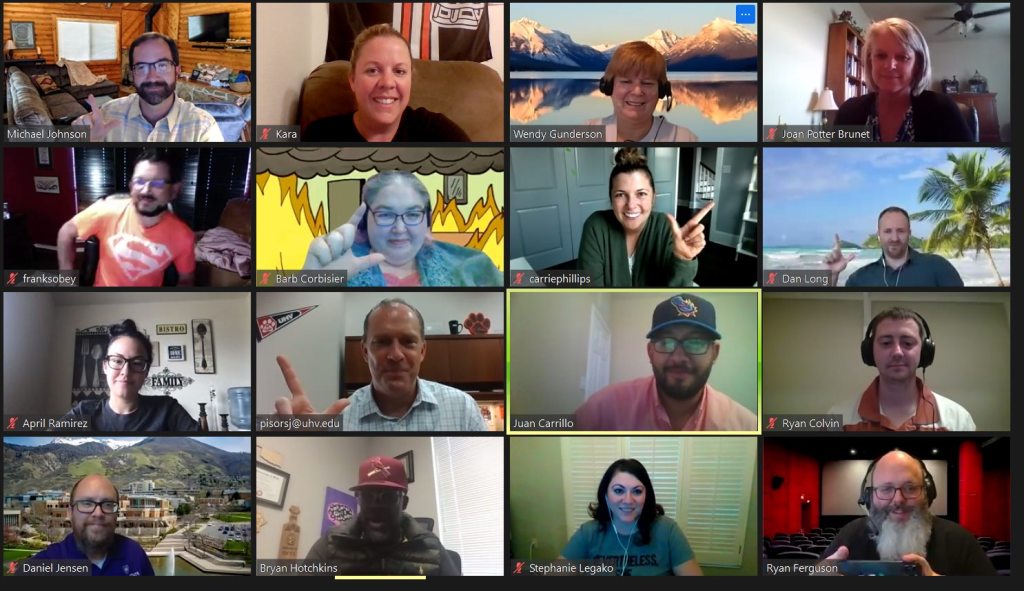
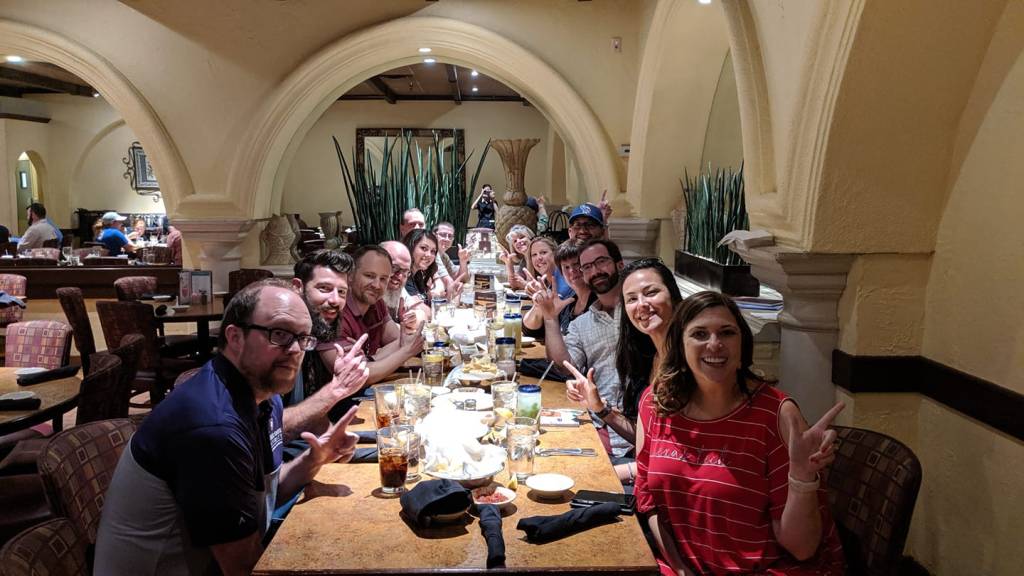
When I did this soul-searching, I knew that I could do daily learning online. I took online classes for my prior two degrees and didn’t have issue. However, looking to study out of state, I felt the work would be isolating. I wanted a program that had some level of personal interaction where I could build relationships with students and professors more than just across a Zoom screen.
Research Interests
If you are considering an R1 university, do your homework on the research interests of your potential professors. These people will be your guides, so it is important that you have some connection to their research expertise. Not everything has to align, but there should be some common ground. It could be topical alignment such as a similar research interest, or it could be research design alignment, such as a similar style of research or similar preferred theories. This will help you in building a relationship with your professors, and it is something not everyone thinks about.
The two topical research interests I had going into my doctoral program were leadership and marketing (enrollment cliff). It was late in the process that I focused my dissertation on the enrollment cliff. When researching faculty, I noticed several professors had leadership interests but very few had marketing as their expertise area. I realized that marketing was more of a niche but felt comfortable with several potential professors focusing on leadership and leadership theories that I had previously studied.
Costs
The next thing to think about is program cost and what makes sense for your situation. Costs vary greatly, but it’s important to think about the full cost, which includes tuition, fees, and books for each semester. I also think it’s beneficial to explore g support options in this phase. Understanding available employer assistance and university scholarships gives you a clearer picture of the true cost beyond posted tuition rates on the website. Do this research before you find yourself too committed to a particular program.
For me, I decided that I needed to be willing to pay out-of-state tuition because of the outcomes I wanted to achieve. However, I didn’t think that private tuition costs were in my budget without obtaining serious private support. I didn’t have any tuition assistance opportunities, so I looked heavily at available scholarships and self-funding options.
Research Process
After I had put together some initial thoughts on the topics above, I went to the internet to look. Here is the list of criteria for my search:
- Out of state
- Online with some in-person/face-to-face programming
- Aligned research interests
- In-state tuition or heavy scholarships
I started with the state of Alabama and researched every university in the state. If I found something that might be a fit, I took notes and put them into a spreadsheet. I repeated this process through Wyoming. At the end, I had several schools that were an initial fit. I went back through those and reviewed each in detail to narrow down the list.
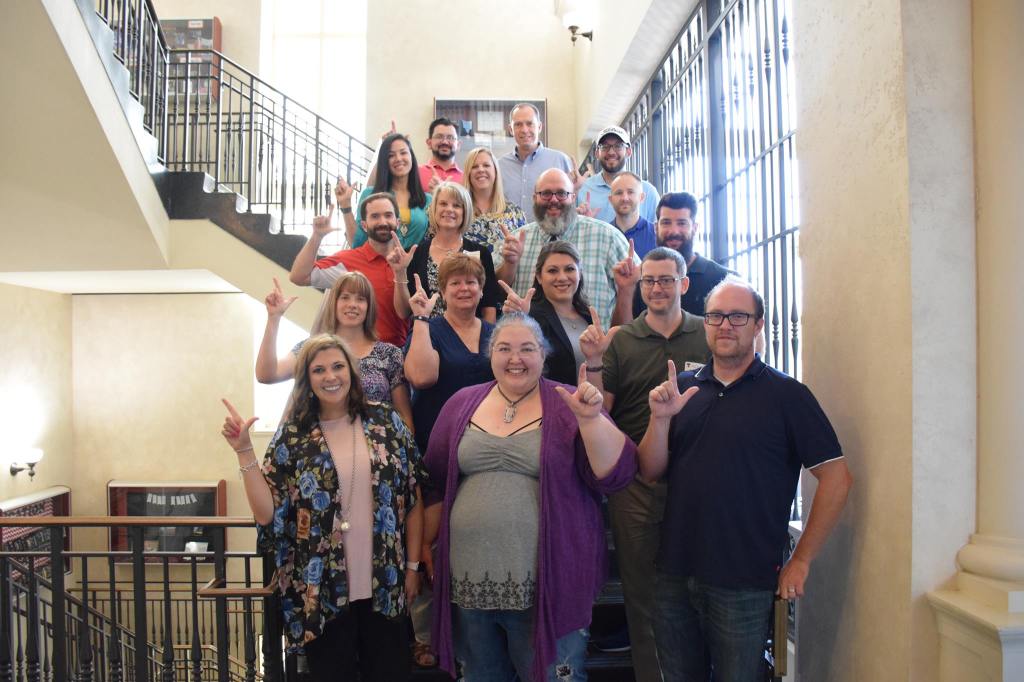
Eventually, I applied to three schools, and I ultimately chose Texas Tech University. It checked every box: program format, cost, research alignment, and institutional reputation. Most importantly, it felt right (and I had never been on the campus). The confidence I had came from doing the work up front. By the time I made the final decision, I knew exactly what I was choosing and why.
Time Well Spent
Going back to school is a significant investment of time, money, and energy. Rushing that decision is a mistake. The hours spent researching, comparing, and narrowing down are what make the final choice solid. Doing the homework on the front end ensures you’re stepping into the right environment to achieve your goals and position yourself for long-term success.
 And Carrie On