Usually I talk a ton about higher education, marketing and leadership, but for those who know me well, you know that travel is my other real love.
My grandmother owned a travel agency, so there’s some level of truth that it’s in my blood.
In recent years we’ve traveled to:
- London
- France
- Germany
- Austria
- Czech Repbuic
- Italy
- Netherlands
- Belgium
While I love travel abroad, I’d never had the opportunity to experience a continent outside of Europe. Until now. Last week, Chris helped lead a training in Tokyo, and I was fortunate to get to travel with him.
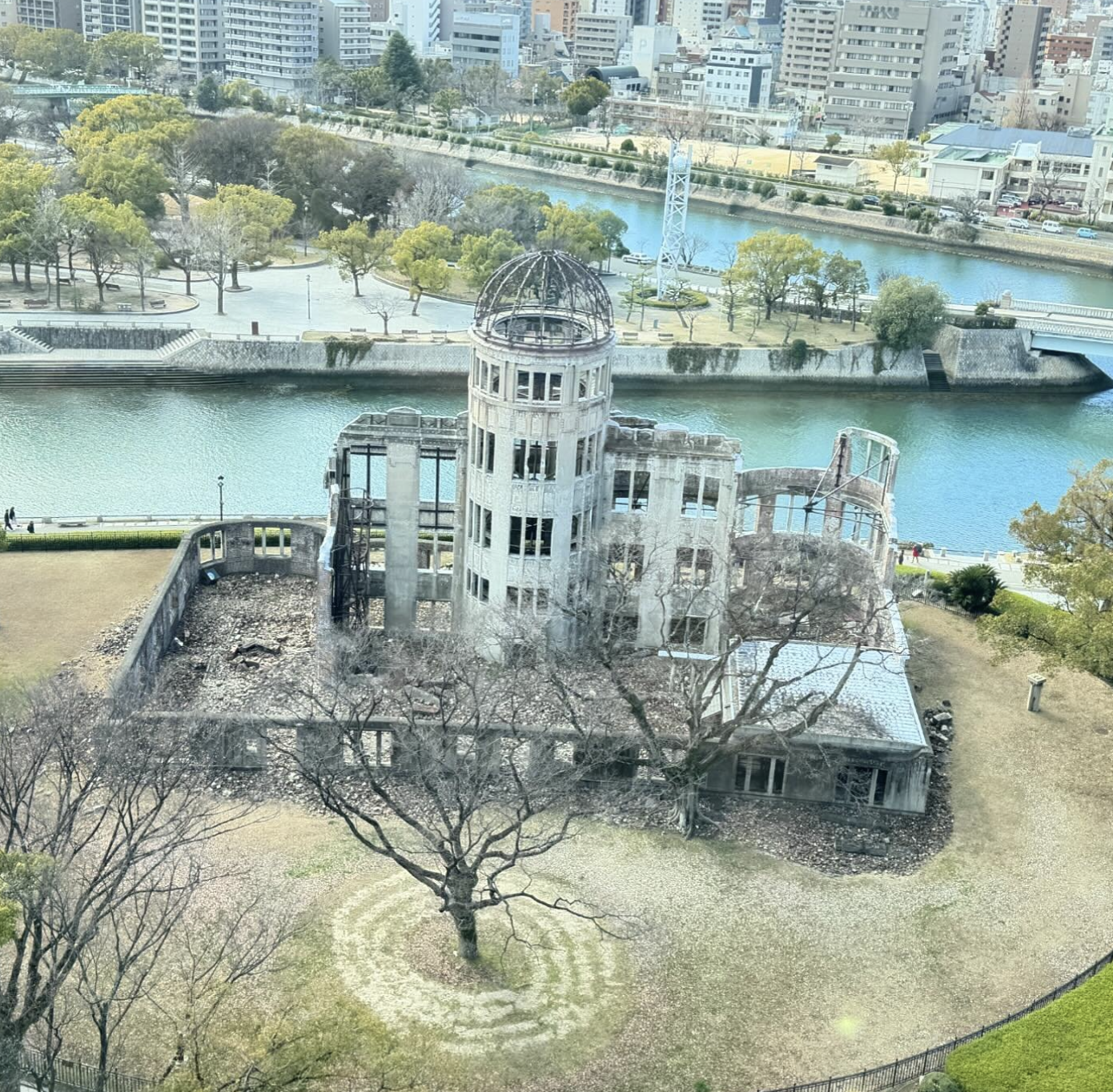

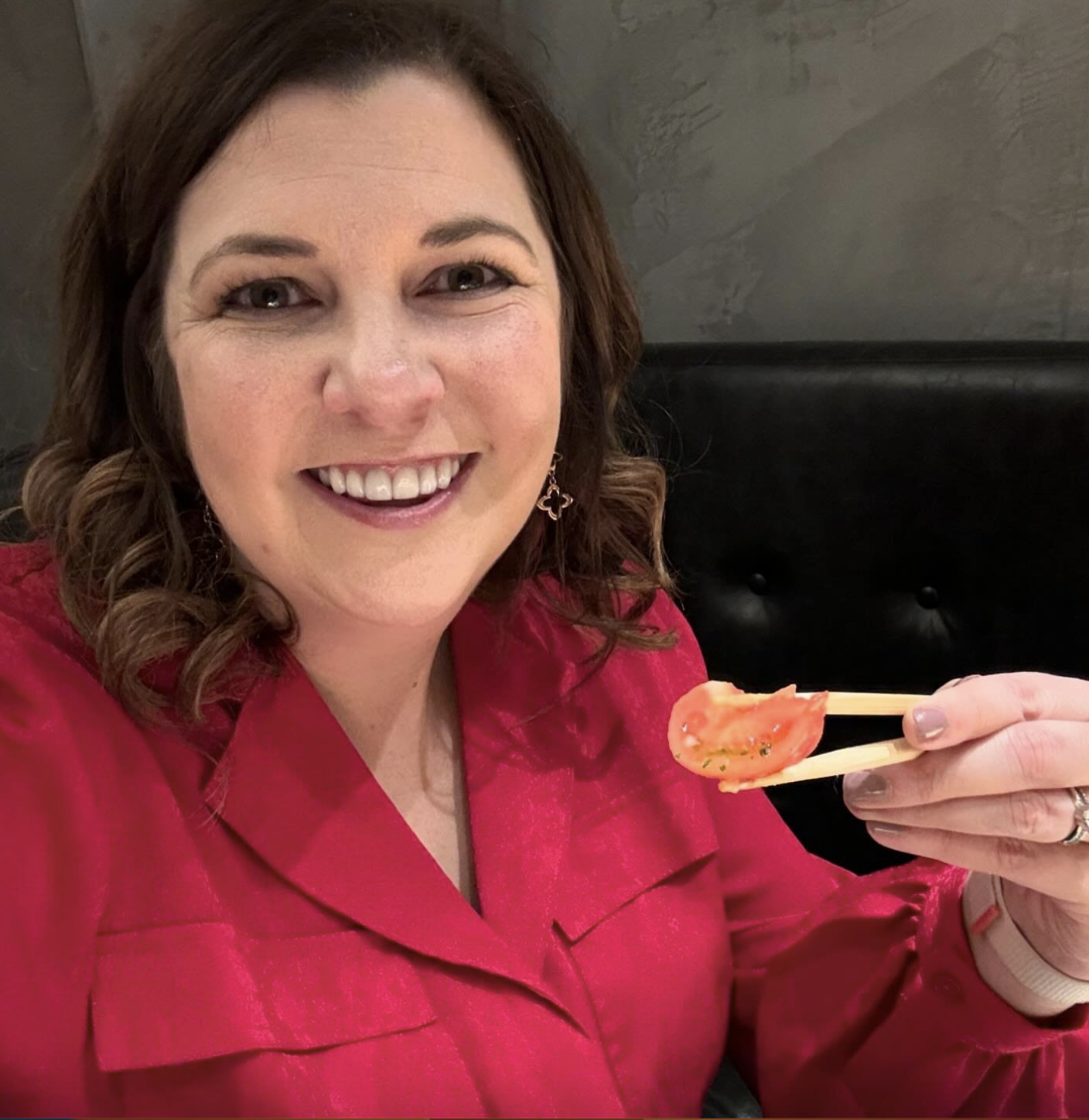
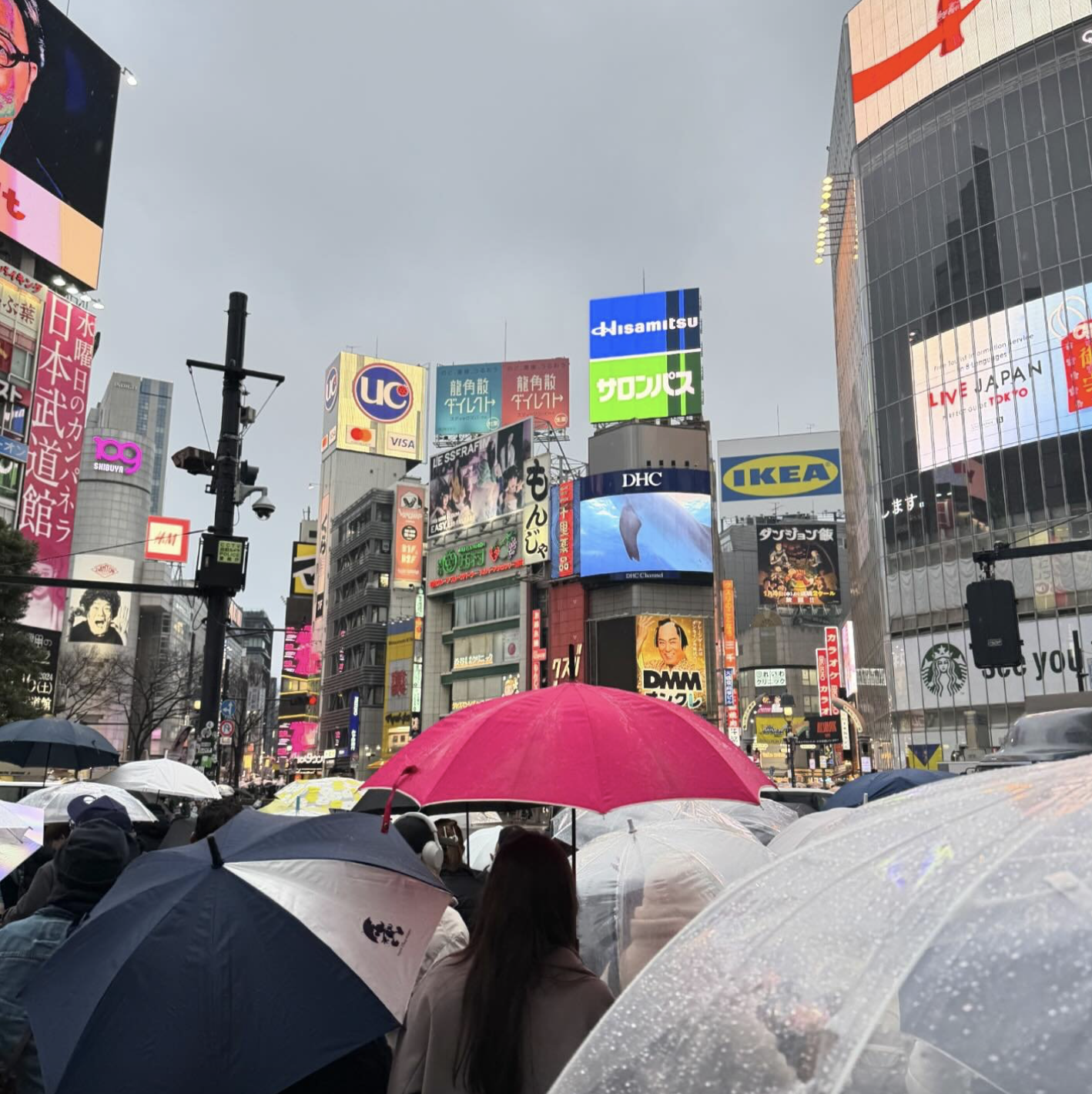
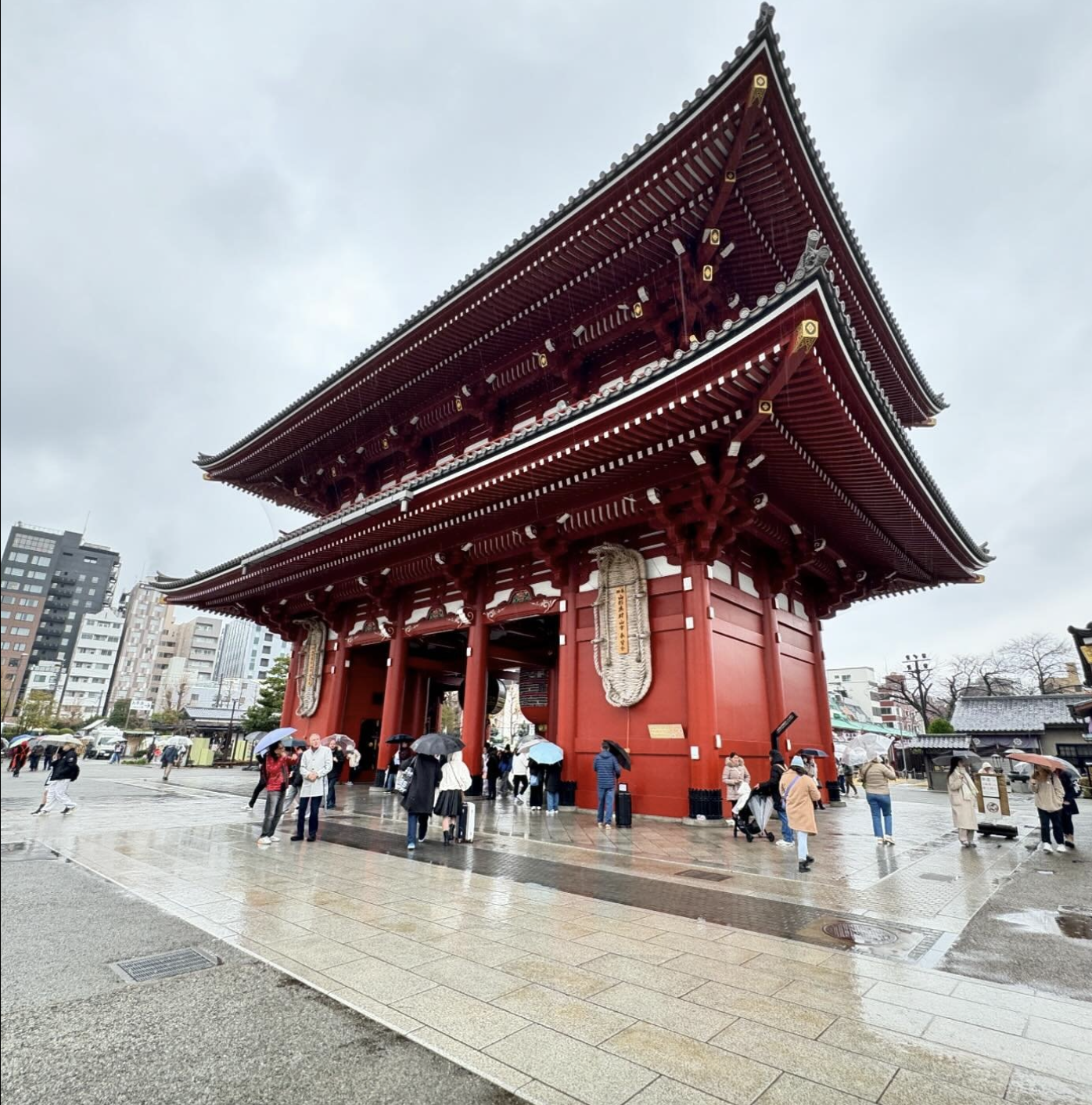

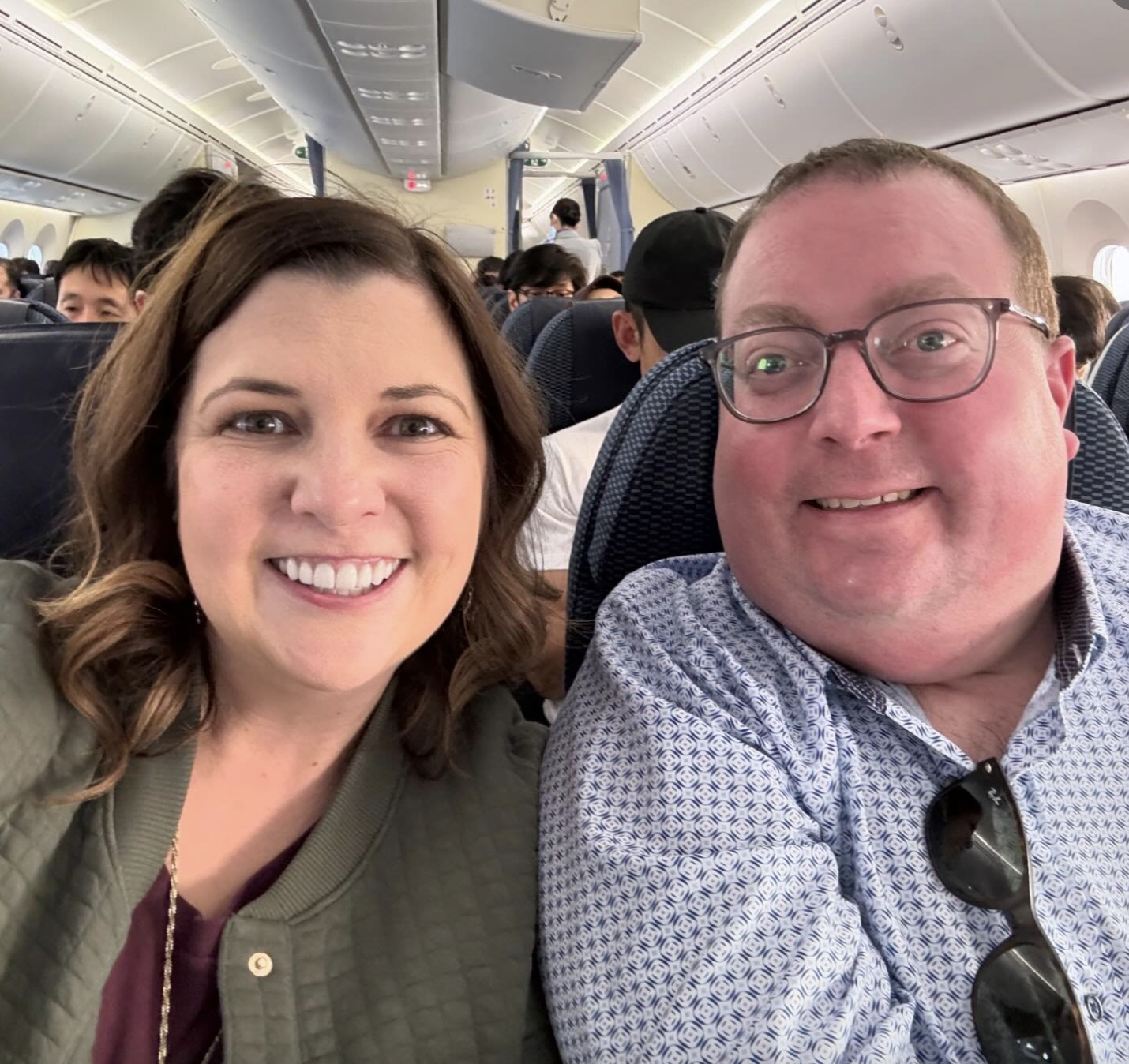

Getting to experience a culture so different than the one I am from has really had me reflective about new experiences. They can be scary, intimidating and confusing. About four days into my trip, I really started to equate many of the experiences I had to those of our international students when they come to the United States.
Despite doing some research about Japan, everything was different, more so than I had expected. Menus, processes, food, and expectations are something new. I found myself thinking of our international students and the struggles they must face to acclimate and fit in.
In my reflections, I identified four ways we can better support these students and make sure they feel welcome on our campuses.
*Disclaimer – These are based on my own experiences traveling. I have never been an international student but am approaching this from what made me feel welcome as a traveler, and I believe it would be the same for these students.
Here are my takeaways:
Native Language Materials
In Japan, I had very little character recognition. Many restaurants had English menus, which made it easy for me to order a meal. However, many of the servers were not strong English speakers, which made it hard for them to understand the English menu I was using. Because of that, most of the time I ended up ordering with the Japanese menu instead.
While many of our students coming have a basic understanding of English, seeing things in their native language would be helpful when thinking about majors, application processes, etc. However, one step better is having a native speaker who can use the native language materials and interact with those materials and the students.
Welcome in the Native Tongue
When I visited Japan, I learned a few key phrases — hello, thank you, and goodbye. I found it welcoming when I heard a shopkeeper greet me or say goodbye in my native tongue. Even though I had practiced saying key phrases in Japanese, I always appreciated the servers and shopkeepers who also knew enough of my language to engage with me.
I think the same could be said for our international students. Even if we don’t know all of the key words and phrases, I think taking the time to learn basic phrases would go a long way in helping these students feel welcome on our campuses.
Provide Mentors or Connections
When traveling, we were able to visit with members of the U.S. Military who were stationed overseas. They spoke English and gave lots of context about the culture, things that were different than in the U.S. and ways to be respectful. It helped me to feel more at ease because I could ask someone a question and know they shared in my experience.
In thinking about this, how much more comfortable would our students be if they were paired with an upperclass mentor. Having a friend who could share cultural cues, provide insights, and be a familiar face could help students feel connected. Finding a way to formalize this for our international students could play a huge support in helping these students acclimate to campus and the community.
Balance Experiences
In Japan, everything was different. After several days, I needed a break. Chris and I went to McDonald’s for a cheeseburger and fries. That bit of familiarity helped me from experiencing such culture shock. McDonald’s was all I needed to be comfortable that day. It took a little extra effort to go there, but it changed the entire mood of the day.
In thinking about our international students, we need to balance their experiences too. While many of these students want a traditional American experience, we need to not throw too much at them too soon. We should find ways to balance the new with the familiar, whether that’s food, sports, or faith practices.
What are Your Experiences
I’m curious what are ways you think we could do better by our international students. These were my ideas based on my own experiences, but I’m sure there are many great ideas and insights that could help us all better support our students.
 And Carrie On