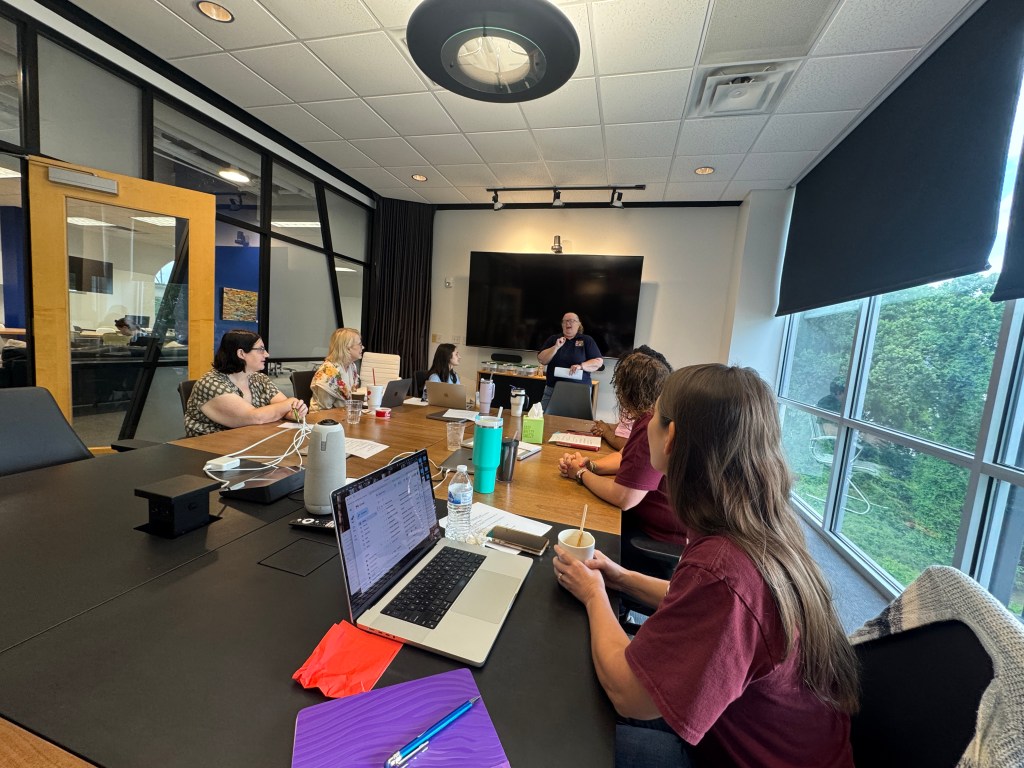
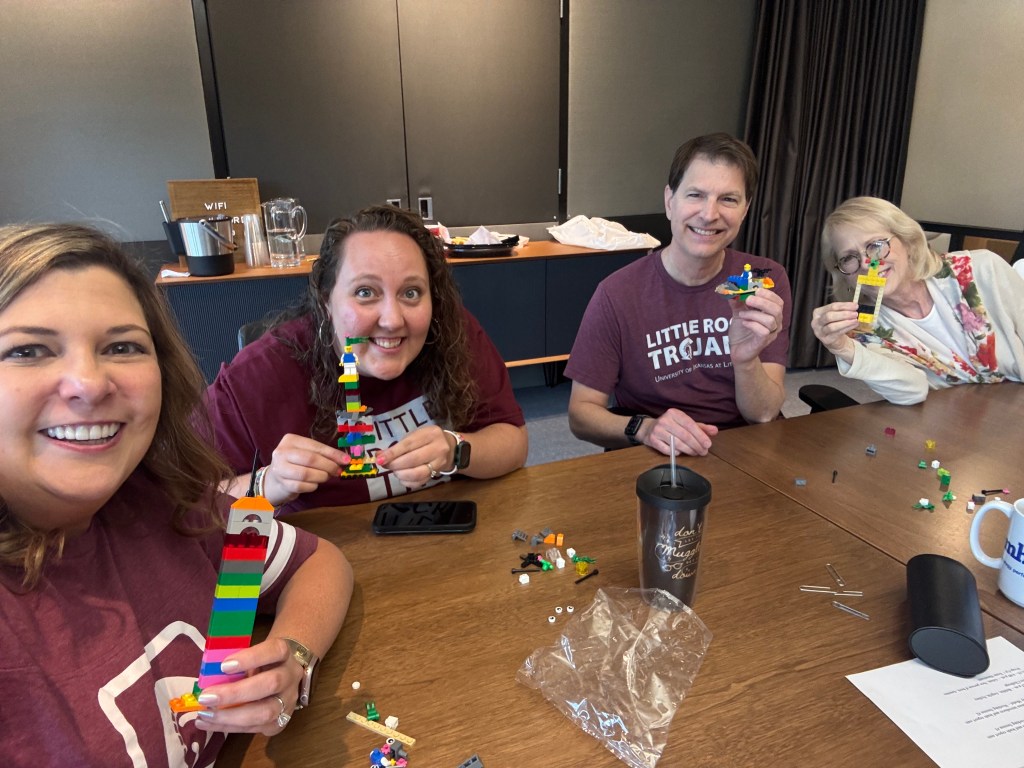
Summer retreats are a great tool to help prepare for the upcoming year, build camaraderie, and teach broad context that may not be addressed during the year.
Having led summer retreats for several years, here are a few tips to ensure your team has the best experiences and has meaningful insights from the day, which ultimately helps the entire team.
Five Strategies for Retreats
- Let everyone have a role — I think retreats work best when everyone has a role. I try to break up the team so that everyone has an activity. It might be recapping a session, leading an icebreaker, or reviewing the highlights of the day. Regardless of the task, I think the day is best when everyone is preparing in advance and is presenting something in the retreat.
- Get the arc right — Much like a movie arc, retreats have an arc. The day should start slow, then build into the deep work, then have some time to taper off at the end. The brain, I’ve found, needs some warm-up time to get into a different kind of mindset. Those early activities are key to getting the arc right. Jumping right into deep work, or doing all the fun things and saving the deep work for the very end is problematic.
- Meet Off Site — Getting out of the office is important. It sets the tone that this day is different. However, getting out of the office doesn’t mean you have to go somewhere far away or spend hours away from family. I’ve led retreats a local conference center, at the airport, at the Chamber of Commerce, and a conference room at our advertising agency. These low-cost spaces help people to resist the temptation to do typical work things and help encourage a mindset shift.
- Go Home Early — After a day of deep thinking, the team is likely exhausted (and probably have several emails from campus). As a reward for a productive day, don’t schedule the team for a full day. Instead, leave a little bit of time at the end of the day, allowing the team to get off work a little early. This helps to make up for the busy week they will have catching up after being present all day.
- Ask For Feedback — I can’t stress enough to ask for feedback on the day. What did the team enjoy? Where are opportunities for improvement? If you’re going to do a retreat each year, this can help ensure the retreats are of the best quality. Some of the feedback has helped me identify guests to come in, activities to consider, and schedule adjustments to make.
What do your retreats look like?
If you take part or help plan a retreat, how are you thinking about the day? Are there specific activities that are particularly meaningful? Are there things you’d change?
Feel free to include a comment and help keep the conversation going!
 And Carrie On